
2025-06-05
NEXTGEN
Congratualtions to Åsa Jerlhagen
The need for sustainable, high-performance materials is growing rapidly as society moves away from fossil-based resources. This thesis explores how materials derived from renewable sources—cellulose nanofibrils (CNFs) extracted from wood—can be combined with synthetic polymer nanoparticles to create functional, sustainable materials with tunable properties.
Polymeric nanoparticles were synthesized using polymerization-induced self-assembly (PISA), which allows precise control over particle features such as size and surface chemistry. The nanoparticles were combined with CNFs to create hybrid materials. The thesis investigates how the size, charge, and amount of nanoparticles influence the structure, mechanical behavior, and deformation mechanisms of CNF-based materials.
Advanced characterization techniques such as small- and wide-angle X-ray scattering were used to understand how nanoparticles impact material structures to gain new insights into structure-property relationships and deformation mechanisms. The results show that by carefully tuning the interactions between components, it is possible to design new bio-based materials with tailored mechanical properties.
This work contributes to the broader effort of developing environmentally friendly alternatives to conventional plastics and composites, offering insights into how nanostructure and surface chemistry can be used to control material performance.
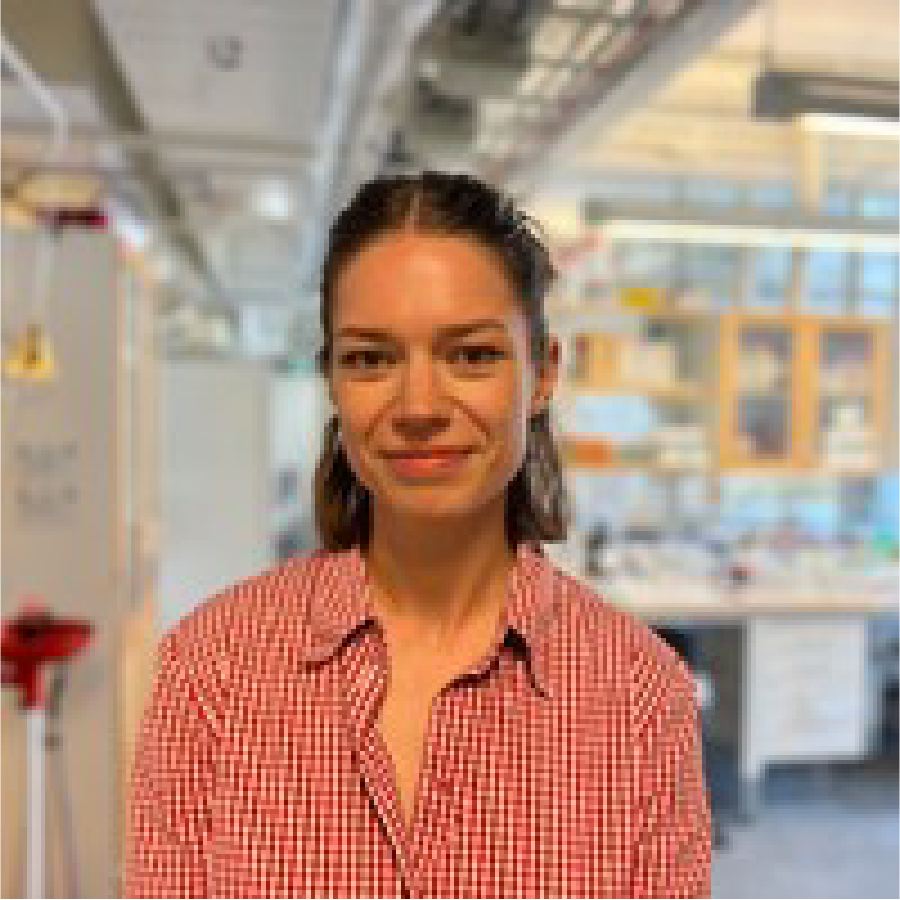
How do you feel after you defence?
I had an incredible time at my defence. I really enjoyed the discussions with my opponent and committee, and the party after with friends and family was fantastic. I am still feeling excited and full of energy after this incredible day!
Now I am looking forward to a little bit of rest, and then to get back to the science I love. Thank you FibRe for these years of support - you have really created a stable foundation for me during these years of PhD, and friendships for life!